Dog Poop Bags: 7 Smart Ways to Pick Ones That Never Leak
Every dog owner learns the same lesson eventually: not all dog poop bags are created equal. The wrong roll tears on the seam, leaks at the worst moment, or splits the second you tie a knot. In 2026, with more households than ever sharing their homes with dogs, choosing a cleanup system that actually holds up has become a daily quality-of-life issue rather than an afterthought. This guide breaks down exactly what separates a bag you can trust from one that ruins your walk.
Good dog poop bags do three jobs at once. They contain odor, resist punctures, and stay easy to open even when your hands are cold or full. Get those three right and the rest of your routine falls into place. Get them wrong and you will keep buying replacements every few weeks.
Why the Right Dog Poop Bags Matter More in 2026
The American Pet Products Association estimates that around 65 million U.S. households now own at least one dog, and municipalities have responded with stricter cleanup ordinances in parks and shared spaces. Fines for uncollected waste have climbed in many cities, so reliable pickup is no longer optional. A thin, translucent bag that fails mid-walk can leave you scrambling and, occasionally, paying a penalty.
There is also a health angle. The U.S. Environmental Protection Agency classifies pet waste as a nonpoint source of water pollution, meaning uncollected droppings can wash into storm drains and local waterways. A bag that seals cleanly is a small but genuine contribution to neighborhood water quality.
What Makes Dog Poop Bags Actually Reliable?
When you strip away the marketing, four material properties decide whether a bag survives real use. Pay attention to these before you look at price.
- Thickness (measured in microns): Anything under 15 microns tends to tear. Heavier-gauge material resists punctures from twigs, gravel, and claws.
- Opacity: Fully opaque bags hide contents and reduce the psychological “ick” factor, which matters more than people admit.
- Seal strength: A reinforced bottom seam is where cheap bags fail first. Look for double-sealed bottoms.
- Grip and open-ability: Textured edges let you separate the opening quickly, even in gloves.
If you want a single, no-fuss starting point, a well-reviewed Dog poop bag from a specialist brand usually outperforms the generic multipacks sold at big-box stores, because the material is engineered for waste rather than repurposed grocery-bag stock.
Dog Poop Bags vs Pooper Scoopers: Which Wins?
Bags and scoopers are not really rivals; they are teammates. Bags shine on walks and in tight urban spaces. Scoopers dominate yard cleanup, multi-dog households, and anyone who would rather not bend over dozens of times a week. The smartest owners keep both on hand and match the tool to the terrain.
| Factor | Dog Poop Bags | Pooper Scooper |
|---|---|---|
| Best setting | Walks, travel, apartments | Yards, patios, large breeds |
| Back strain | Moderate (bending required) | Low (long handle) |
| Speed for multiple piles | Slower | Faster |
| Portability | Excellent | Fair |
| Upfront cost | Low | Moderate, one-time |
For a fuller side-by-side breakdown of these tools, our reliable local experts walk through real-world scenarios that help you decide where each one earns its place.
7 Smart Checks Before You Buy
- Confirm the micron rating. Reputable brands publish it; vague listings usually hide thin material.
- Test the tie length. Bags need enough headroom above the fill line to knot securely.
- Check the core diameter. Smaller cores fit standard leash dispensers.
- Look for unscented options. Heavy fragrance can irritate sensitive noses and mask, not remove, odor.
- Verify count per roll. Marketing “value packs” sometimes stuff fewer bags per roll.
- Read leak reviews, not star averages. Search the word “leak” in customer feedback specifically.
- Match to your dog’s size. Large breeds need wider, longer bags, full stop.
Pairing Bags With the Right Scooper
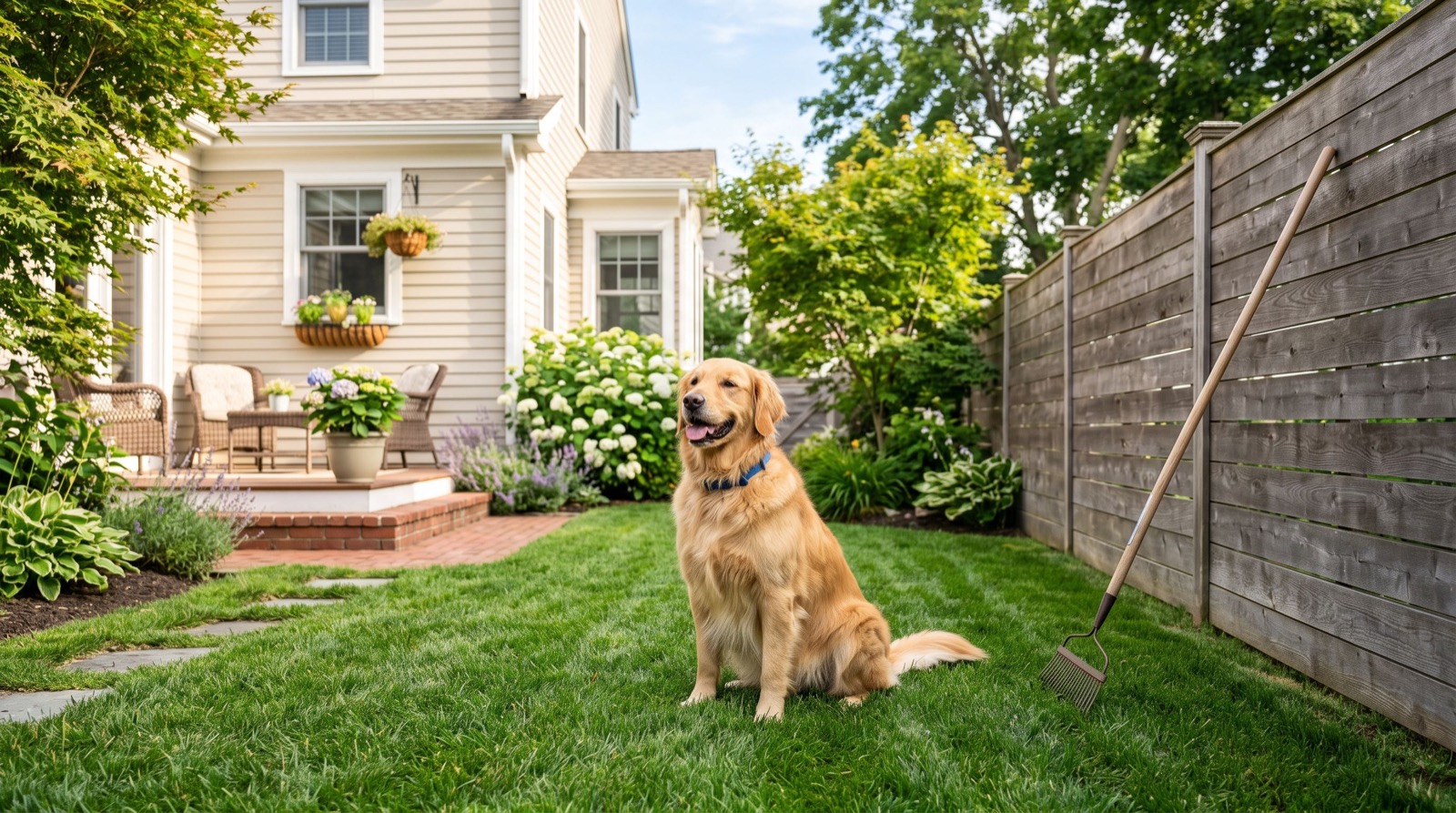
If bending is a problem or your dog is a large breed, a stand-up scooper transforms cleanup. Searching for a Pooper scooper near me that holds a bag directly on the tool means you scoop and seal in one motion, with no second container to rinse. This bag-on-scooper design is especially handy for backyard sweeps before the lawn mower comes out or after heavy rain, when waste softens and a plain scoop alone makes a mess.
The practical tip most owners miss: keep a loaded scooper by the back door and a dispenser of bags clipped to the leash. Two stations, one for the yard and one for the walk, mean you are never caught without the right tool at the right moment.
Storing and Carrying Your Bags the Smart Way
Where you keep your dog poop bags matters almost as much as which ones you buy. Bags baking on a sunny dashboard degrade fast, because ultraviolet light weakens the polymer and turns a reliable roll brittle within weeks. Keep spare rolls in a cool, shaded drawer and rotate stock so the oldest bags get used first.
For daily carry, a small leash-mounted dispenser is the single best upgrade most owners make. It keeps a fresh bag within reach the instant you need one, so you are never patting empty pockets while your dog waits. Clip a spare roll inside your coat as backup, and stash a handful in the car and the stroller. Redundancy costs almost nothing and spares you the miserable walk home carrying waste in your bare hand because the dispenser ran dry.
One more habit pays off: tie a loose loop in the first bag of every new roll before you set out. That tiny prep step means the opening is already started, so cold or gloved fingers can separate it in a second rather than fumbling at the curb while a neighbor watches.
Frequently Asked Questions
Are biodegradable dog poop bags worth it?
They can be, but only if your area has industrial composting that accepts pet waste. In a standard landfill, certified compostable bags break down slowly, similar to conventional plastic. Choose them for the reduced raw-plastic footprint, not for magical landfill breakdown.
How thick should dog poop bags be?
Aim for at least 15 microns for small and medium dogs, and closer to 18–20 microns for large breeds. Thicker material resists punctures and lets you tie a confident knot without splitting the seam.
Can I flush dog waste instead of bagging it?
Most municipalities advise against flushing because canine waste can carry pathogens that treatment plants are not designed to handle. Bagging and binning remains the safest, most widely accepted method in 2026.
How many dog poop bags do I really need per month?
A single dog on two daily walks typically uses 60–90 bags a month once you account for cleanup misfires. Buying in larger rolls lowers the per-bag cost and cuts down on how often you reorder.
The Bottom Line on Dog Poop Bags
Reliable dog poop bags are the quiet backbone of responsible pet ownership. Focus on thickness, seal strength, opacity, and easy opening, then pair a trustworthy roll with a stand-up scooper for yard duty. Do that, and cleanup stops being the chore you dread and becomes a thirty-second habit. In 2026, with tighter ordinances and rising awareness of water quality, choosing well is not just convenient, it is the neighborly thing to do. Stock up on quality, keep a set at every exit, and you will never be caught mid-walk with a bag that lets you down again.